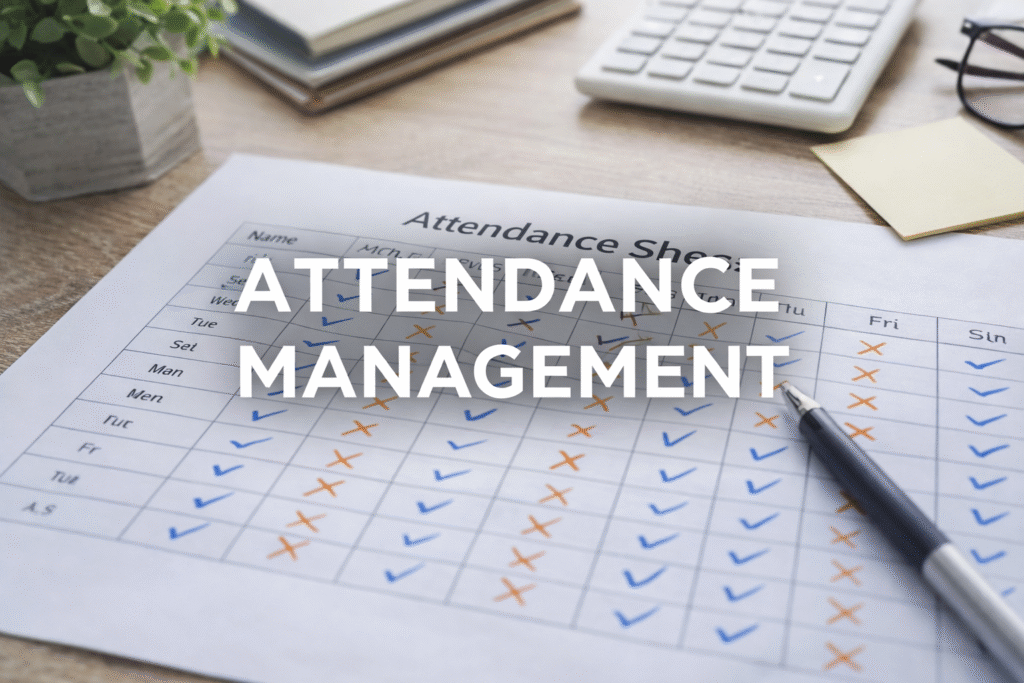
Attendance management is a critical aspect of workforce administration that directly impacts productivity, payroll accuracy, and overall organizational efficiency. In today’s fast-evolving business environment, companies are shifting from traditional attendance methods to smart, automated solutions. However, implementing the right practices is equally important as choosing the right tools.
In this guide, we’ll explore expert-backed attendance management best practices that help organizations maintain transparency, improve compliance, and boost employee satisfaction.
Why Attendance Management Matters
Attendance tracking is not just about marking presence or absence. It plays a vital role in:
- Ensuring accurate payroll processing
- Monitoring employee productivity
- Maintaining legal compliance
- Reducing time theft and buddy punching
- Enhancing workforce discipline
HR experts emphasize that a well-structured attendance system creates a fair and transparent work environment, which ultimately improves employee trust.
1. Implement an Automated Attendance System
One of the most recommended practices by HR professionals is to adopt an automated attendance management system. Manual systems are prone to errors, manipulation, and inefficiencies.
Benefits of Automation:
- Real-time attendance tracking
- Reduced human errors
- Seamless payroll integration
- Improved data accuracy
Modern tools like biometric systems, RFID cards, and mobile apps help streamline attendance tracking and eliminate outdated processes.
2. Define Clear Attendance Policies
A strong attendance management system begins with well-defined policies. Employees should clearly understand:
- Working hours
- Break timings
- Leave policies
- Late arrival rules
- Overtime guidelines
Pro Tip:
Make policies easily accessible and communicate them during onboarding and regular HR meetings. Transparency reduces confusion and disputes.
3. Ensure Legal Compliance
Compliance with labor laws is non-negotiable. HR experts strongly advise aligning attendance policies with local regulations.
Key Compliance Areas:
- Working hour limits
- Overtime compensation
- Leave entitlements
- Record maintenance
Failing to comply can result in legal penalties and reputational damage. Regular audits help ensure your system stays compliant.
4. Use Biometric or Contactless Systems
With advancements in technology, biometric and contactless attendance systems have become increasingly popular.
Why Experts Recommend Them:
- Eliminates proxy attendance
- Enhances accuracy
- Improves security
- Supports contactless operations (especially post-pandemic)
Face recognition and fingerprint-based systems are widely used across industries for reliable attendance tracking.
5. Integrate Attendance with Payroll Systems
One of the biggest challenges organizations face is payroll errors due to inaccurate attendance data.
Best Practice:
Integrate your attendance system directly with payroll software to ensure:
- Accurate salary calculations
- Proper overtime tracking
- Error-free deductions
This integration saves time and minimizes disputes between employees and management.
6. Enable Mobile & Remote Attendance Tracking
With the rise of remote and hybrid work models, traditional attendance methods are no longer sufficient.
Recommended Solutions:
- GPS-based attendance apps
- Mobile check-in/check-out systems
- Cloud-based dashboards
These tools allow employees to mark attendance from anywhere while ensuring authenticity through location tracking.
7. Maintain Transparency and Employee Trust
HR experts highlight that transparency is key to successful attendance management.
How to Build Trust:
- Allow employees to access their attendance records
- Provide regular attendance reports
- Address discrepancies promptly
When employees feel the system is fair, it reduces conflicts and improves workplace morale.
8. Regularly Monitor and Analyze Attendance Data
Attendance data is a valuable resource for decision-making. Instead of just recording data, organizations should analyze it regularly.
Insights You Can Gain:
- Employee punctuality trends
- Absenteeism patterns
- Overtime frequency
- Department-wise productivity
These insights help HR teams take proactive actions and improve workforce efficiency.
9. Train Employees and HR Teams
Even the best attendance system can fail if users are not properly trained.
Training Should Cover:
- How to use attendance tools
- Understanding policies
- Reporting issues
Regular training sessions ensure smooth adoption and minimize errors.
10. Establish a Clear Leave Management System
Attendance management and leave management go hand in hand.
Best Practices:
- Use a centralized leave management system
- Automate leave approvals
- Track leave balances in real-time
This helps avoid confusion and ensures accurate attendance records.
11. Conduct Periodic Audits
HR experts recommend conducting regular audits of attendance records and systems.
Benefits of Audits:
- Identifies discrepancies
- Ensures compliance
- Improves system efficiency
Audits also help in detecting fraudulent activities and maintaining accountability.
12. Customize Attendance Policies for Different Roles
Not all employees work under the same conditions. For example:
- Field employees
- Remote workers
- Shift-based workers
Expert Tip:
Customize attendance policies based on job roles to ensure fairness and practicality.
13. Encourage a Culture of Accountability
Attendance management is not just about rules—it’s about culture.
Build Accountability By:
- Rewarding punctual employees
- Addressing habitual absenteeism
- Promoting work discipline
A positive approach motivates employees to follow attendance policies willingly.
14. Leverage AI and Advanced Analytics
Modern attendance systems are powered by AI and analytics, offering deeper insights.
Advanced Features Include:
- Predictive absenteeism analysis
- Automated alerts for irregular attendance
- Smart scheduling
These technologies help organizations stay ahead and make data-driven decisions.
Conclusion
Effective attendance management is the backbone of a productive and compliant organization. By implementing these HR expert-backed best practices, businesses can ensure accuracy, transparency, and efficiency in their workforce management.
From adopting automation and ensuring compliance to building employee trust and leveraging advanced technologies, every step plays a crucial role in optimizing attendance systems.
Organizations that invest in the right strategies not only improve operational efficiency but also create a positive work environment that drives long-term success.